Model Comparisons
Jev vs Laya: Hosted API or Open Weights? (2026 Guide)
Compare Jev and Laya on benchmark results, fine-tuning, calibration, context, latency, language coverage, and total cost to choose a decision model.

If you are comparing Laya and Jev, start with the operating boundary your product needs. Jev is a managed, ready-to-call decision API; Laya is an open-weight decision model you can run and adapt. Labelled data, data residency, language mix, context length, and who will own inference in production determine the choice.
The figures below are from JevBench v1.3.0, checked September 22, 2026. They describe one benchmark setup, not a guarantee for every workload.
Quick answer
ConstraintStart withWhyNo labelled data or fine-tuning teamJevDesigned for useful zero-shot decisions through a managed API.Data must stay inside your networkLayaOpen weights can be self-hosted and adapted locally.Long tickets, documents, or tracesJevThe comparison lists a 64k-token request context.Multilingual routingLaya multilingual checkpointA dedicated multilingual option is available; validate each language.No GPU operations capacityJevNo GPU provisioning, checkpoint updates, or inference monitoring.
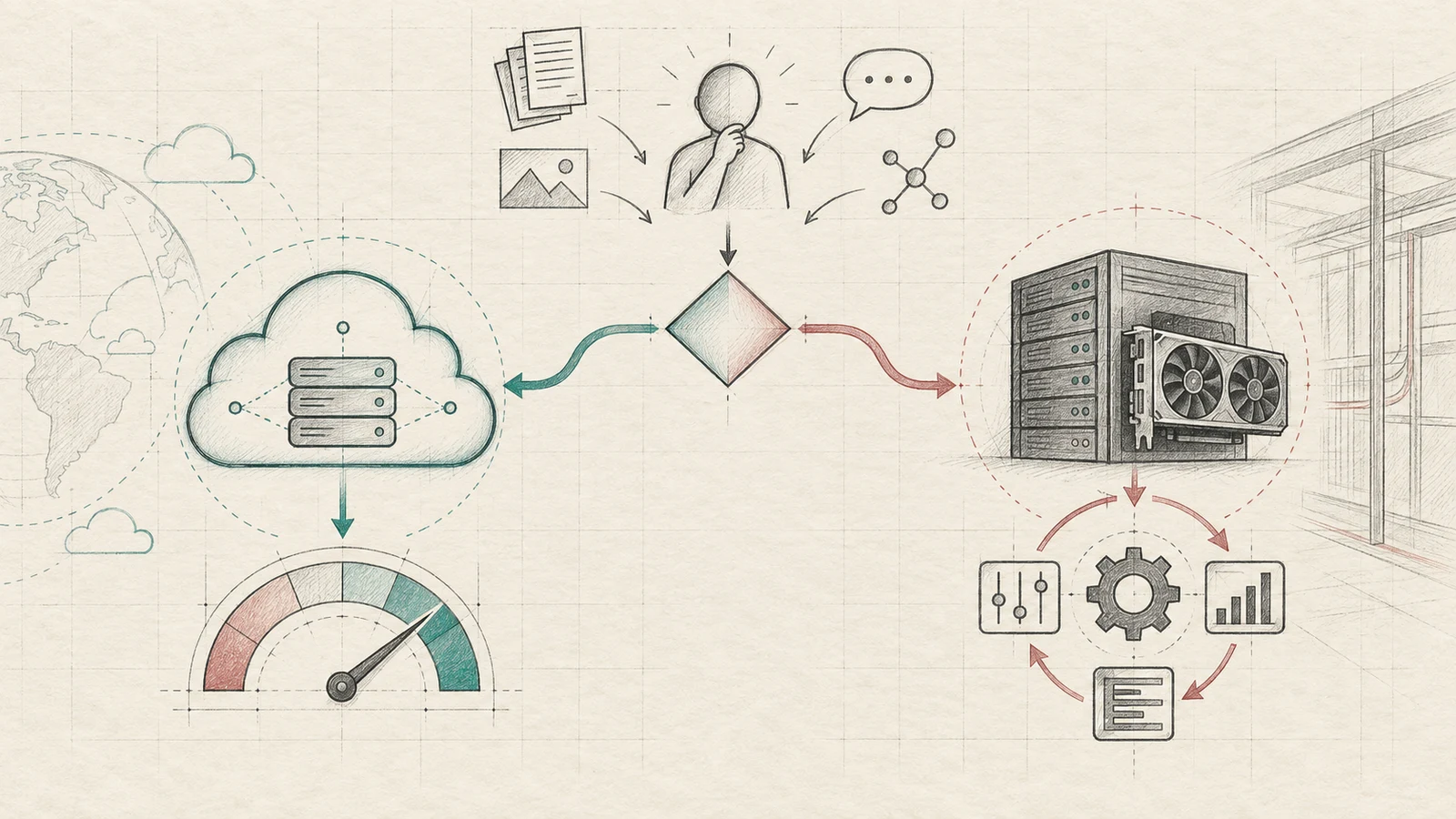
What the two systems offer
Both answer typed decisions such as “which queue?”, “is this allowed?”, or “what score applies?” They are alternatives to generating free-form text and parsing it afterwards.
-
Jev is TypeSafe’s hosted System One API. The comparison describes zero-shot use, up to 64k tokens per request, and up to 255 choice options. You call the API without operating a GPU.
-
Laya is an open decision model built on an encoder. Its Apache-2.0 implementation can run locally and be fine-tuned. The evaluated checkpoint in the comparison uses 512 tokens per question. Laya’s official project lists different limits for different checkpoints, so verify the exact version you deploy.
Neither is a general chatbot. Both need a clear schema, stable labels, and a policy for uncertain answers.
Reading JevBench v1.3.0
The benchmark compared 52 systems on 534 typed decisions: 72 easy, 96 standard, 146 judge-style, and 220 hard cases. Jev scored 74.4 overall (#1); Laya scored 54.4 (#33).
MeasureJev 1.13.0LayaComposite score74.454.4Intelligence score85.745.8Calibration score82.762.5Hard-case accuracy74.1%34.1%Standard-case accuracy99.0%72.9%

These scores are not universal product rankings. The result reflects one decision set and an untuned Laya configuration. If you fine-tune Laya on stable labels, test that checkpoint separately with a held-out set.
Context and language coverage
Long inputs can contain the clause that changes a decision. The comparison lists Jev at 64k tokens and the tested Laya checkpoint at 512 tokens per question. Laya’s official site differentiates its English and multilingual checkpoints, so context length is version-specific. Measure tokenization using the exact model and input format you plan to ship.

Laya’s multilingual checkpoint is a reason to evaluate it when English is not enough, but language coverage does not guarantee equal quality in every language. Test names, scripts, code-switching, and domain vocabulary separately.
Accuracy, confidence, and latency
Accuracy measures how often a label is correct. Calibration measures whether a confidence such as 0.8 corresponds to roughly 80% correctness across similar cases. A common calibration summary is expected calibration error: sum each confidence bin’s share of examples multiplied by the absolute gap between its accuracy and average confidence.
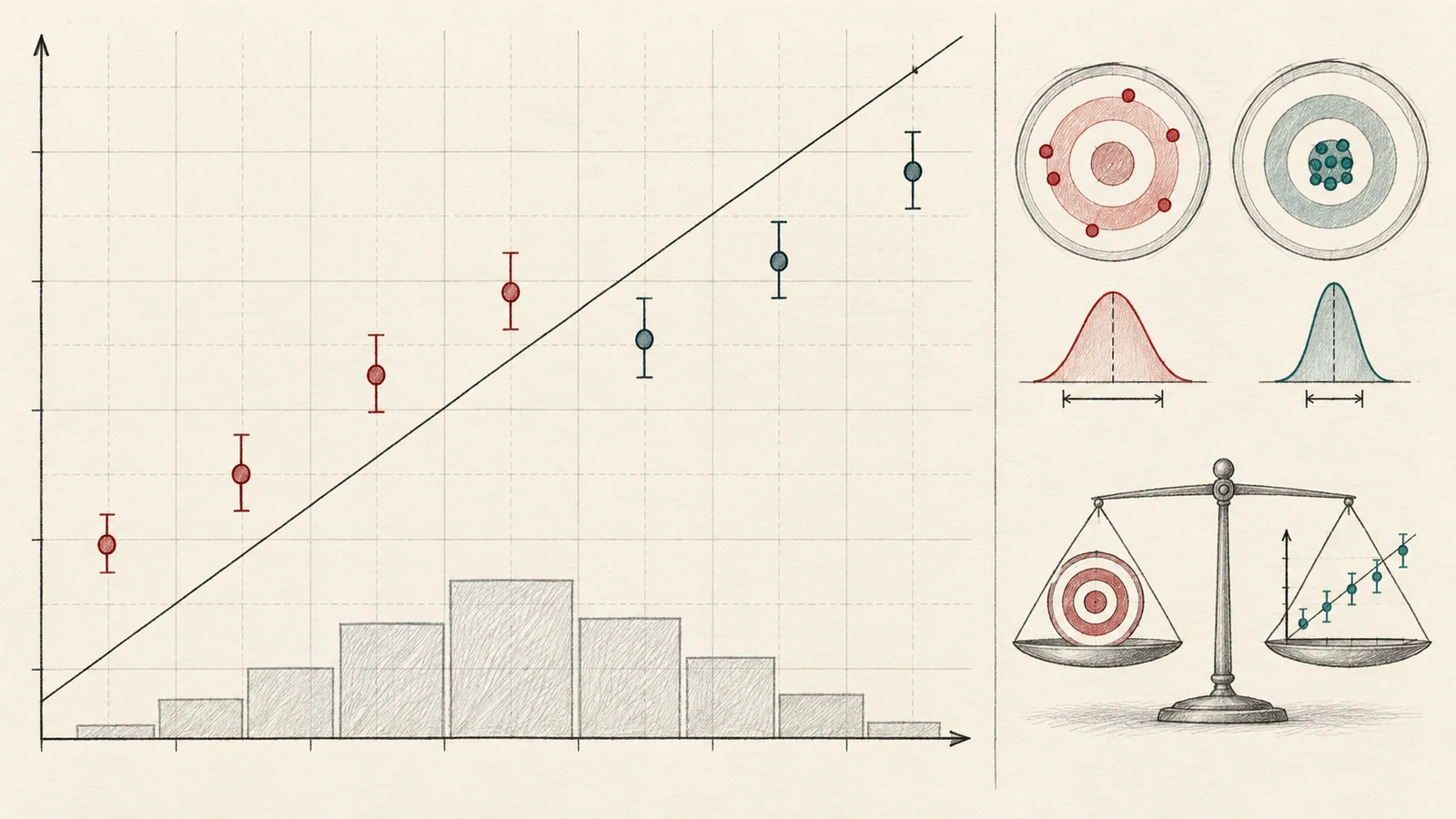
JevBench gives Jev the higher calibration score in its tested configuration. Laya’s documentation describes temperature fitting for task-specific calibration. Choose thresholds on production-like validation data, and report coverage with accuracy: a model can raise accuracy on answered cases by abstaining more.
Laya reports tens-of-milliseconds inference on a Tesla T4. The comparison also lists JevBench’s Laya CPU run at 0.79 seconds raw (1.72 adjusted), versus Jev’s hosted median of 0.65 seconds. These use different hardware and serving paths, so they are not a like-for-like latency test. Measure your own network, concurrency, cold starts, and p95.
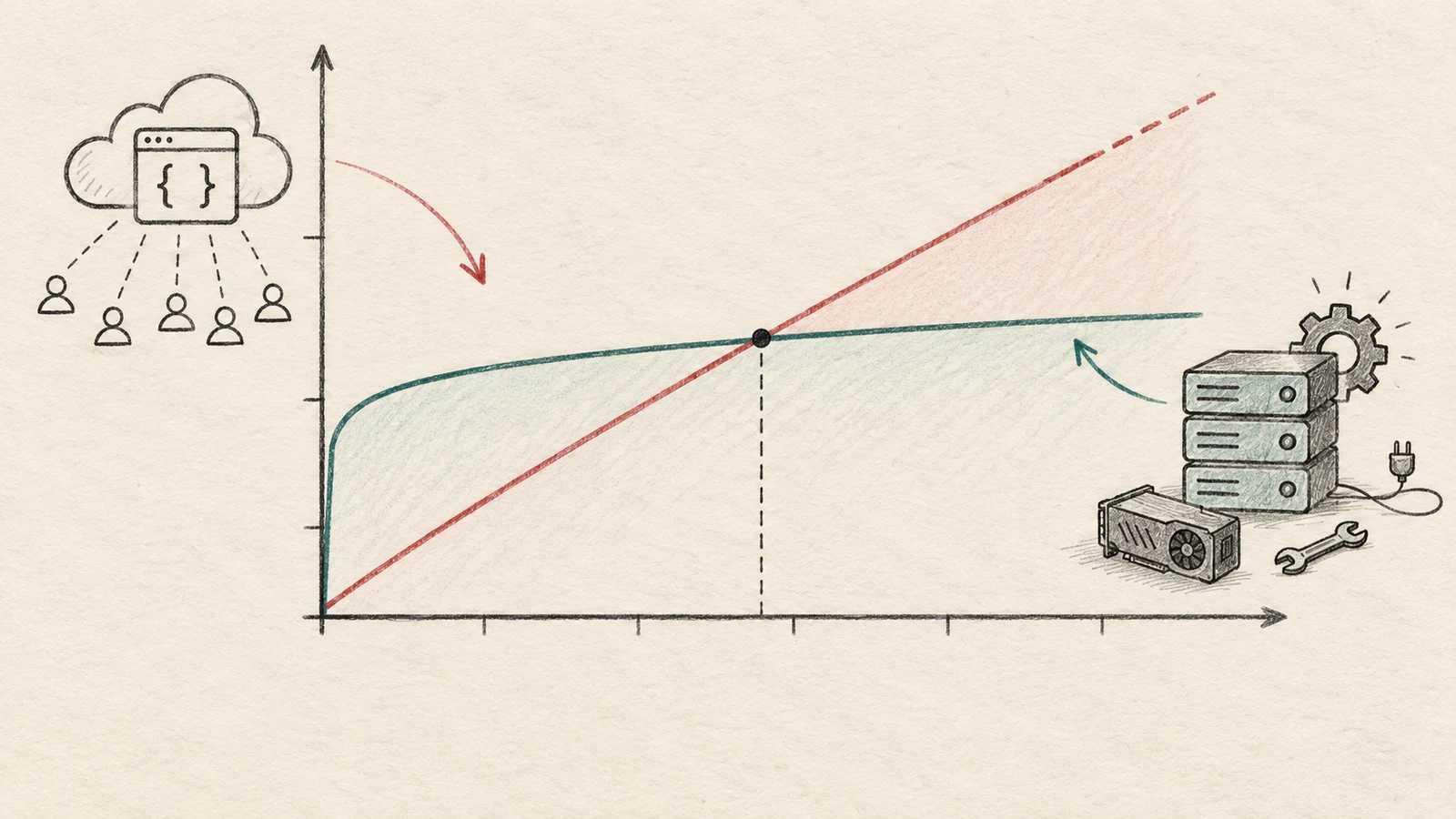
For cost, compare API usage with GPU capacity, operations, monitoring, fine-tuning, and idle time. Self-hosting may be cheap when a GPU is already busy; dedicated capacity and maintenance can change the total.
A practical evaluation plan
-
Freeze the schema, labels, tie rules, and meaning of “unknown”.
-
Build a held-out set of routine, ambiguous, multilingual, long-context, and high-risk cases.
-
Compare per-class F1, confusion pairs, calibration, coverage by threshold, and abstention.
-
Measure p50/p95 latency, throughput, cold starts, failures, and truncation.
-
Include annotation, GPU utilization, hosting, monitoring, maintenance, and API spend in total cost.
-
Run both systems in shadow mode against human-reviewed outcomes before enabling consequential actions.
Start with Jev when you need zero-shot decisions and managed serving. Evaluate Laya when open weights, data residency, multilingual routing, or fine-tuning are central. Related guides: Jev vs Laya, Jev vs OpenJev, and Jev vs djev.
Jev vs Laya FAQ
Is Laya a drop-in replacement for Jev?
Not in every workflow. Laya requires you to choose and serve a checkpoint, and production quality may depend on fine-tuning and calibration. Jev is a managed API with a different data and operations boundary.
Which model is faster?
It depends on hardware and request location. A CPU benchmark is not comparable to a Tesla T4 claim. Include network time and p95 latency in your own test.
Which is better for multilingual use?
Laya offers a multilingual checkpoint; the Jev comparison also lists 100+ languages but notes lower reliability outside English. Test your actual language and domain.
Can I automate from a confidence threshold?
Only after checking calibration and error costs on held-out data. Track false accepts, false rejects, coverage, and human review load.
Sources and update note
Benchmark figures come from the Jev vs Laya comparison and JevBench v1.3.0, checked September 22, 2026. Checkpoint details are described by the Laya project and its GitHub repository. Models and figures can change; verify current versions, limits, and prices before production use.